Fall Season Riding: Essential Tips for Motorcyclists


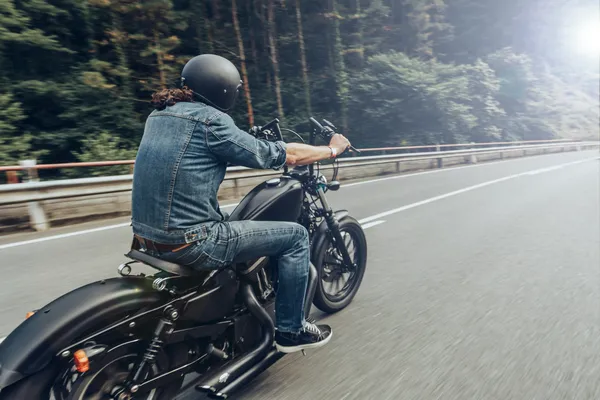
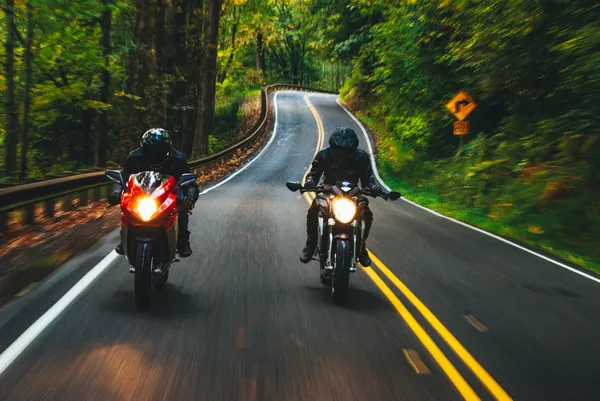
As the summer heat fades and the crisp autumn air rolls in, many motorcyclists eagerly anticipate the beauty and serenity of fall season riding. Fall offers some of the best riding experiences—cooler temperatures, stunning foliage, and less congested roads. However, it also presents unique challenges that require extra caution and preparation. In this article, we’ll explore the essential tips for riding in the fall, covering everything from weather changes and road conditions to gear and bike maintenance.


1. Understanding Fall Weather and Its Impact on Riding

Fall weather is notoriously unpredictable. One moment it’s sunny and cool, and the next, a sudden rain shower or gust of wind can create hazardous conditions. Being aware of these weather changes is crucial for safe riding.

Temperature Fluctuations

One of the biggest challenges of fall riding is the fluctuation in temperature throughout the day. Mornings and evenings can be quite cold, while the midday sun may warm things up significantly. These changes can affect your body’s comfort, as well as how your bike performs.

Tip: Dress in layers. Start with a moisture-wicking base layer to keep sweat away from your skin, followed by an insulating layer to retain heat. Finish with a windproof and waterproof outer layer to protect against cold winds and rain. This way, you can adjust your clothing as the temperature changes.

Shorter Days

As fall progresses, daylight hours decrease, meaning that you may find yourself riding in low-light or dark conditions more often. Reduced visibility can increase the risk of accidents, especially with the sun setting earlier in the day.

Tip: Ensure your bike’s lights are functioning properly. Check your headlights, taillights, and turn signals to ensure they are bright and visible. Wear reflective gear or add reflective tape to your bike to enhance visibility to other drivers.

Wind and Rain

Fall often brings gusty winds and sporadic rain showers. Wet roads can reduce traction, and wind can affect your bike’s stability, especially at higher speeds.

Tip: Slow down and be mindful of your surroundings when riding in the wind or rain. Maintain a safe following distance from other vehicles, as stopping distances increase on wet surfaces. Also, avoid sudden movements or sharp turns, as they can cause your bike to lose traction.


2. Preparing Your Bike for Fall Riding

As the weather cools down, your motorcycle may require some adjustments and maintenance to ensure it performs well during the fall months.

Tire Care

Cold temperatures can cause tire pressure to drop, which affects traction and handling. Additionally, wet leaves and debris on the road can create slippery conditions, making tire care even more critical.

Tip: Regularly check your tire pressure and maintain it at the manufacturer’s recommended levels. Inspect your tires for wear and tear, and replace them if the tread is worn down. Properly inflated tires with good tread provide better grip on wet or slippery surfaces.

Fluid Levels and Battery

Cooler temperatures can also affect your bike’s fluid levels and battery performance. Oil, coolant, and brake fluid may thicken in colder weather, reducing their effectiveness. Your bike’s battery may also drain more quickly in the cold.

Tip: Check and top off all fluid levels before heading out for a ride. Consider switching to a lighter-weight oil for better performance in cooler temperatures. If your battery is old or weak, consider replacing it before the colder months set in.

Chain and Brake Maintenance

Wet roads and fallen leaves can introduce dirt and debris into your bike’s chain and brakes, leading to decreased performance and safety.

Tip: Clean and lubricate your chain regularly to prevent rust and corrosion. Check your brake pads for wear, and ensure your brake lines are in good condition. Responsive brakes are crucial for handling fall road conditions.


3. Navigating Fall Road Hazards

Fall riding can be breathtakingly beautiful, but the season also presents some unique road hazards that require extra caution.

Fallen Leaves

Colorful autumn leaves are one of the highlights of fall, but when they fall onto the road, they can become a significant hazard. Wet leaves can be as slippery as ice, making it difficult for your tires to maintain traction.

Tip: Avoid riding over piles of leaves whenever possible. If you can’t avoid them, slow down and ride smoothly without making sudden movements. Always assume that leaves could be hiding slick spots, potholes, or debris underneath.

Frost and Black Ice

As temperatures drop overnight, frost and black ice can form on the road, especially in shaded areas or on bridges and overpasses. These icy patches can be nearly invisible and pose a serious risk to motorcyclists.

Tip: Be cautious when riding in the early morning or late evening, when frost is most likely to form. Ride slowly and avoid sudden braking or sharp turns in areas where frost or ice may be present.

Wildlife

Fall is also mating and migration season for many animals, particularly deer. As they move around more frequently, the likelihood of encountering wildlife on the road increases, especially in rural or wooded areas.

Tip: Be especially vigilant in the early morning and late evening hours when animals are most active. Slow down and scan the sides of the road for movement. If you see one deer, there are likely more nearby, so be prepared to stop if necessary.
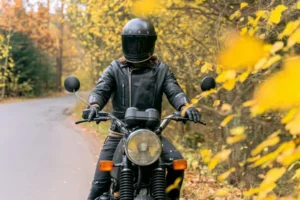


4. Choosing the Right Gear for Fall Riding

Having the right gear can make all the difference in keeping you comfortable and safe during fall rides. The key is to balance protection with comfort, especially as temperatures fluctuate.

Cold-Weather Gloves

Your hands are exposed to the wind and cold while riding, which can lead to discomfort and reduced control of the bike.

Tip: Invest in insulated, waterproof gloves designed for cold-weather riding. Heated grips or heated gloves can also be a game-changer for keeping your hands warm on longer rides.

Thermal Base Layers

Layering is essential for fall riding. A thermal base layer can help trap heat close to your body while wicking away moisture to keep you dry and warm.

Tip: Look for thermal base layers made of materials like merino wool or synthetic fabrics that offer warmth without adding bulk.

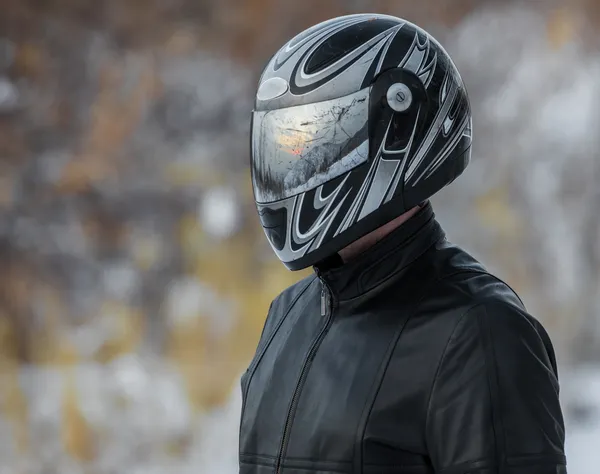
Full-Face Helmet

A full-face helmet is ideal for fall riding, as it offers better protection against the cold wind, rain, and debris.

Tip: Consider a helmet with an anti-fog visor or use a fog-resistant spray to prevent your visor from fogging up in colder conditions.

Riding Pants and Jackets

A good pair of riding pants and a jacket with thermal liners can help you stay warm and protected during fall rides.

Tip: Choose gear that is both waterproof and windproof to protect against the elements. Look for jackets and pants with ventilation zippers that allow you to adjust airflow as the temperature changes.


5. Enjoying the Fall Riding Experience

While fall presents its challenges, it’s also one of the most enjoyable seasons for motorcycle enthusiasts. The crisp air, the beautiful scenery, and the quieter roads make for a peaceful and invigorating riding experience.

Plan Scenic Routes

Fall is the perfect time to explore scenic routes that showcase the beauty of the changing leaves and natural landscapes.

Tip: Research popular fall foliage routes in your area or plan a longer ride through national parks or countryside roads. Just be sure to check the weather and road conditions ahead of time.

Group Rides

Fall is a great time for group rides, as the cooler temperatures make longer rides more comfortable.

Tip: Plan a group ride with fellow motorcyclists to share the experience of fall riding. Riding with others also adds an extra layer of safety, as you can help each other navigate any challenges that arise.

Fall season riding offers a unique and enjoyable experience for motorcyclists, with its cooler temperatures, beautiful scenery, and quieter roads. However, the season also comes with its own set of challenges, from unpredictable weather and road hazards to the need for specialized gear. By preparing your bike, choosing the right gear, and being aware of the road conditions, you can enjoy a safe and memorable ride this fall. Whether you’re navigating through vibrant autumn foliage or taking on the challenges of cooler weather, fall is a season that every motorcyclist can appreciate with the right precautions in place.
 

Before You Ride: Road Trip Preparation for Motorcyclists


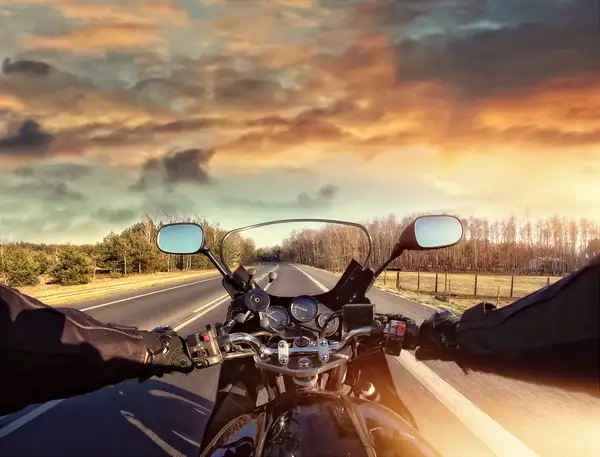
Embarking on a motorcycle road trip offers an exhilarating sense of freedom and adventure. The open road, scenic views, and the thrill of riding make long-distance motorcycle travel an unforgettable experience. However, planning and preparation are key to ensuring a smooth and safe journey. Before you hit the road, it’s important to take several crucial steps to prepare yourself, your gear, and your motorcycle. In this article, we’ll cover everything you need to know for proper road trip preparation, from bike maintenance to packing essentials and safety considerations.


1. Motorcycle Maintenance: Ensuring Your Bike is Road-Ready

Your motorcycle’s performance and reliability are essential to a successful road trip. Before setting off, thoroughly inspect and maintain your bike to avoid mechanical issues during your ride.

Check the Tires

Tires are one of the most critical components of your motorcycle, and they can wear down faster during long trips. Ensuring that your tires are in optimal condition can prevent flats, improve fuel efficiency, and enhance your bike’s overall performance.

Tip: Inspect the tire tread depth and look for any signs of uneven wear, cracks, or punctures. If the tread is too worn, replace the tires before your trip. Additionally, ensure that your tire pressure is at the manufacturer’s recommended levels, as underinflated or overinflated tires can affect handling and safety.

Oil and Fluid Levels

Proper lubrication is essential for your motorcycle’s engine and other mechanical parts. Before a long trip, check the oil level, and if your bike is nearing its next oil change, do it before your trip. You should also check other fluid levels, such as coolant, brake fluid, and clutch fluid, to ensure everything is topped off.

Tip: Pack a small container of motor oil, brake fluid, and coolant for emergencies. On long trips, especially in changing weather, these fluids are essential for the smooth functioning of your bike.

Chain and Belt Inspection

Your motorcycle’s chain or belt is responsible for transferring power from the engine to the rear wheel. Over time, it can become loose, worn, or dirty, leading to reduced efficiency and even breakdowns.

Tip: Clean and lubricate the chain regularly, and check for any signs of wear. Adjust the tension if necessary. If your bike uses a belt drive, inspect it for cracks or fraying, and ensure it’s properly tensioned.

Brake System

Strong, reliable brakes are crucial for safety, especially on a long road trip. Inspect your brake pads, rotors, and fluid levels to make sure your bike can stop effectively when needed.

Tip: If your brake pads are worn down, replace them before the trip. Also, bleed the brake lines and replace old brake fluid to ensure responsiveness.

Electrical System and Battery

A faulty electrical system can lead to problems with your lights, ignition, and other critical components. Make sure your bike’s battery is fully charged and that all lights (headlights, taillights, and turn signals) are functioning properly.

Tip: Bring a portable charger or jump starter in case of battery issues. Consider upgrading to an AGM (Absorbed Glass Mat) or lithium-ion battery for better performance on long trips.


2. Essential Gear and Packing for a Motorcycle Road Trip

What you bring on a motorcycle road trip can make or break your journey. Unlike traveling by car, motorcycles have limited storage, so packing smart is crucial. Focus on essential gear, personal items, and tools that will enhance comfort, safety, and convenience.

Safety Gear

Safety should always be your top priority on any ride. Make sure you have high-quality, protective gear that will keep you safe and comfortable in varying weather conditions.

Essential Gear Includes:

  • Helmet: A full-face helmet provides the best protection from the elements and accidents.
  • Jacket and Pants: Choose gear with protective armor and ventilation for temperature control.
  • Gloves: Riding gloves protect your hands from the wind, cold, and potential injury.
  • Boots: Invest in sturdy, waterproof riding boots that offer ankle support and protection.

Tip: Pack an extra pair of gloves and a neck gaiter for cold or windy conditions.

Weather-Appropriate Clothing

Weather conditions can change drastically on long road trips, so it’s important to pack clothing that will keep you comfortable, whether it’s sunny, cold, or rainy.

Tip: Bring layers, including thermal base layers for warmth, a windproof and waterproof jacket, and lightweight clothing for warmer days. Pack rain gear to protect yourself and your belongings from unexpected downpours.

Tool Kit and Spare Parts

Breakdowns can happen, even with a well-maintained bike. Having a basic tool kit and spare parts on hand can help you make minor repairs and keep you moving.

Must-Have Tools and Parts:

  • Multitool or wrenches
  • Tire repair kit (with plugs and CO2 cartridges or a portable air pump)
  • Spare fuses and bulbs
  • Chain lube
  • Zip ties and duct tape for emergency fixes

Tip: If you’re not mechanically inclined, familiarize yourself with basic repairs like fixing a flat or adjusting a chain.

Navigation and Communication

Staying on the right path is crucial for a smooth road trip. While smartphones with GPS are convenient, it’s important to have backup navigation and communication tools in case of poor signal or low battery.

Tip: Download offline maps or invest in a GPS system designed for motorcycles. Bring a charger with a motorcycle-friendly USB port or a power bank to keep your devices powered.

Luggage and Storage Solutions

Motorcycles have limited storage space, so it’s essential to invest in good luggage systems that can carry your gear securely without affecting your bike’s balance.

Luggage Options:

  • Saddlebags: Soft or hard saddlebags attach to the sides of your bike and offer ample storage.
  • Tank Bags: Tank bags sit on top of the fuel tank and provide easy access to essential items like maps, snacks, and electronics.
  • Tail Bags: Tail bags can be strapped to the rear seat or luggage rack, offering additional storage.

Tip: Use waterproof luggage or pack your items in waterproof liners to protect against rain.


3. Planning the Route and Stops

A well-planned route can make your road trip more enjoyable and less stressful. Researching your route in advance helps you anticipate road conditions, fuel stops, rest areas, and scenic viewpoints.

Research the Route

Take time to plan your route, especially if you’re unfamiliar with the roads. Consider the type of terrain, elevation changes, and weather conditions that may impact your ride. For scenic rides, plan routes through national parks or along coastlines.

Tip: If you’re planning a multi-day trip, break up your route into manageable distances. Riding for 8-10 hours straight can lead to fatigue, so plan regular breaks to stretch and refuel.

Fuel Stops

Motorcycles have smaller fuel tanks than cars, which means you’ll need to plan fuel stops more frequently, especially in remote areas.

Tip: Research fuel stations along your route and factor in your bike’s fuel range. Consider carrying a small fuel canister for emergencies.

Lodging and Camping

Whether you prefer staying in hotels or camping, make reservations in advance, especially if you’re traveling during peak seasons.

Tip: If you’re camping, ensure you have all the necessary gear, including a tent, sleeping bag, and cooking equipment. Look for motorcycle-friendly campgrounds or hotels with secure parking.


4. Staying Safe on the Road

Long-distance riding comes with additional risks, and it’s important to prioritize safety during your road trip. From staying alert to handling emergencies, being prepared can make all the difference.

Stay Hydrated and Energized

Riding for long hours can be physically demanding, especially in hot weather. Dehydration and fatigue can impair your judgment and reaction times.

Tip: Carry a hydration pack or water bottles and drink regularly. Pack energy snacks like nuts, protein bars, or fruit to keep your energy levels up.

Ride Within Your Limits

Long-distance rides can be tiring, both mentally and physically. Pushing yourself too hard can lead to fatigue, which increases the risk of accidents.

Tip: Set realistic daily mileage goals and take breaks whenever you feel tired. If you’re traveling with others, communicate your needs and don’t hesitate to call it a day earlier than planned.

Emergency Preparedness

Accidents and breakdowns can happen, no matter how well-prepared you are. Having an emergency plan in place ensures you’re ready to handle the unexpected.

Tip: Pack a first aid kit, know the basics of motorcycle accident safety, and have a list of emergency contacts handy. Let someone know your route and expected arrival times.


A motorcycle road trip is an exciting and rewarding adventure, but preparation is key to ensuring a smooth and enjoyable journey. From maintaining your bike to packing essential gear and planning your route, every step you take before you ride will contribute to a safer and more comfortable experience. By being well-prepared, you can focus on enjoying the open road, breathtaking scenery, and the thrill of motorcycling at its finest.

Essential Gear Every New Rider Needs: The Helmet


Riding a motorcycle offers an unparalleled sense of freedom and adventure, but it also comes with significant risks. One of the most critical aspects of motorcycle safety is wearing the right gear, and at the top of that list is the helmet. For new riders, understanding the importance of a helmet, choosing the right one, and knowing how to properly care for it is essential. This article delves into why a helmet is the most important piece of gear for any rider and what to consider when purchasing one.


1. The Importance of Wearing a Helmet

Protection Against Head Injuries

The primary function of a helmet is to protect your head in the event of an accident. According to the National Highway Traffic Safety Administration (NHTSA), helmets are estimated to be 37% effective in preventing fatal injuries to motorcycle riders and 41% for motorcycle passengers. Given the vulnerability of motorcyclists compared to car occupants, wearing a helmet can be the difference between life and death in a crash.

Legal Requirements

In many regions, wearing a helmet is not just a safety recommendation—it’s the law. Helmet laws vary by state and country, with some requiring all riders to wear helmets, while others have partial laws, typically based on age or experience level. Regardless of the legal requirements in your area, it’s always wise to wear a helmet to protect yourself.

Impact on Insurance and Liability

Wearing a helmet can also affect your insurance coverage and liability in the event of an accident. Many insurance companies offer discounts for riders who wear helmets, recognizing the reduced risk of severe injury. Additionally, not wearing a helmet could potentially affect the outcome of an insurance claim or a legal case if an accident occurs.


2. Types of Helmets

Full-Face Helmets

Full-face helmets provide the most comprehensive protection, covering the entire head, including the chin and face. These helmets are ideal for new riders because they offer maximum safety. The integrated visor protects the eyes from wind, debris, and glare, while the enclosed design reduces wind noise and provides better aerodynamics.

Modular Helmets

Modular helmets, also known as flip-up helmets, are a hybrid between full-face and open-face helmets. They allow the rider to flip up the chin bar and visor, offering flexibility and convenience. While they provide good protection, especially when the chin bar is down, they are slightly heavier and may not be as structurally robust as full-face helmets.

Open-Face Helmets

Open-face helmets cover the top, sides, and back of the head but leave the face exposed. While they offer more ventilation and a greater field of vision, they provide less protection than full-face or modular helmets, particularly for the face and chin.

Half Helmets

Half helmets, also known as “brain buckets,” provide minimal coverage, protecting only the top of the head. They are popular for their lightweight design and greater airflow, but they offer the least protection. These helmets are not recommended for new riders due to their limited safety features.


3. How to Choose the Right Helmet

Fit and Comfort

The most important factor when choosing a helmet is fit. A properly fitting helmet should be snug but not uncomfortably tight. It should sit level on your head and not rock back and forth. To check the fit, try wearing the helmet for 15-20 minutes to ensure there are no pressure points or discomfort.

Safety Ratings

Look for helmets that meet recognized safety standards, such as DOT (Department of Transportation), ECE (Economic Commission for Europe), or Snell certification. These standards ensure that the helmet has been tested for impact resistance, penetration resistance, and retention system effectiveness.

Material

Helmets are typically made from materials like polycarbonate, fiberglass composite, or carbon fiber. Polycarbonate helmets are affordable and durable, while fiberglass and carbon fiber helmets are lighter and offer better impact absorption, albeit at a higher price point.

Ventilation

Good ventilation is essential for rider comfort, especially during long rides or in hot weather. Look for helmets with adjustable vents that allow you to control the airflow and prevent overheating.

Visor

The visor should be clear and free of distortions, providing a wide field of view. Some helmets offer tinted visors for sun protection, or pinlock systems that prevent fogging in cold or wet conditions.

Weight

The weight of the helmet is another consideration. Heavier helmets can cause neck strain during long rides, especially for new riders who may not be accustomed to wearing a helmet. However, a helmet should not be so light that it compromises safety.


4. Caring for Your Helmet

Cleaning

Regular cleaning of your helmet is essential to maintain its appearance and functionality. Use a mild soap and water to clean the exterior, and a soft cloth for the visor. Avoid using harsh chemicals that could damage the helmet’s finish or weaken its materials.

Storage

Store your helmet in a cool, dry place, away from direct sunlight. Prolonged exposure to UV rays can degrade the helmet’s materials. Additionally, avoid placing your helmet on hard surfaces, which could cause it to roll off and get damaged.

Replacement

Helmets should be replaced every 3-5 years, or immediately after a significant impact, even if there’s no visible damage. Over time, the materials inside the helmet degrade, reducing its effectiveness.


For new motorcycle riders, a helmet is the most crucial piece of gear you can own. It’s not just about complying with the law; it’s about safeguarding your life every time you hit the road. By understanding the importance of wearing a helmet, choosing the right one, and taking proper care of it, you can enjoy the thrill of riding while staying protected. Remember, investing in a high-quality helmet is an investment in your safety and well-being.


How to Handle Motorcycle Accidents and Injuries

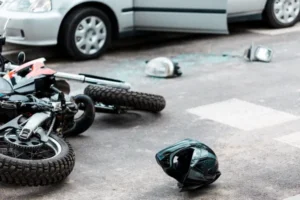
Riding a motorcycle offers unparalleled freedom and excitement, but it also comes with its own set of risks. Being prepared for emergencies can make all the difference in ensuring your safety and getting you back on the road swiftly. This guide will cover essential strategies for handling accidents and injuries, including what to do immediately after an accident and how to provide first aid.

1. Accidents and Injuries

Immediate Actions

  1. Check for Injuries: Assess yourself and any passengers for injuries. Call for emergency assistance if needed.
  2. Move to Safety: If possible, move the bike and yourself to a safe location off the road.
  3. Exchange Information: If other vehicles are involved, exchange insurance and contact information.

First Aid Kit Essentials

  • Bandages and gauze
  • Antiseptic wipes
  • Adhesive tape
  • Pain relievers
  • Gloves
  • Emergency contact numbers

2. Providing First Aid

For Minor Injuries

  • Cuts and Scrapes: Clean the wound with antiseptic wipes, apply a bandage, and use adhesive tape to secure it.
  • Burns: Cool the burn with water, cover it with a clean cloth, and avoid applying ointments or creams until you can seek professional medical advice.
  • Bruises: Apply a cold compress to reduce swelling and pain.

For Serious Injuries

  • Bleeding: Apply pressure to the wound with a clean cloth or bandage. If the bleeding is severe, seek immediate medical help.
  • Fractures: Immobilize the injured area and avoid moving it until professional help arrives.
  • Shock: Lay the person down, keep them warm, and elevate their legs if possible. Monitor their breathing and be prepared to perform CPR if necessary.


3. Emergency Preparedness

Training and Knowledge

  • First Aid Course: Taking a first aid course will equip you with the skills needed to handle injuries effectively.
  • CPR Training: Knowing how to perform CPR can be life-saving in critical situations.

Riding Gear

  • Protective Gear: Always wear a helmet, gloves, and armored clothing to minimize the risk of injury.
  • Reflective Gear: Wear reflective clothing or attach reflective strips to your bike for increased visibility, especially when riding at night or in low-light conditions.

Communication

  • Emergency Contacts: Keep a list of emergency contacts in an easily accessible location, such as in your wallet or on your phone.
  • Medical Information: Carry medical information, such as allergies and blood type, to assist first responders in case of a serious accident.

Being prepared for motorcycle accidents and injuries is crucial for ensuring your safety and the safety of others. Knowing how to respond immediately after an accident, providing first aid, and carrying essential supplies can make a significant difference in critical situations. By taking proactive measures and staying informed, you can ride with confidence and peace of mind, knowing you are ready to handle emergencies.


Differences Between Cruisers and Sport Bikes


Motorcycles come in various styles, each designed to offer a unique riding experience. Among the most popular categories are cruisers and sport bikes. These two types of motorcycles differ significantly in design, performance, ergonomics, and intended use. This article explores the key differences between cruisers and sport bikes, helping you understand what sets them apart and which might suit your riding style best.

Design and Aesthetics

Cruisers

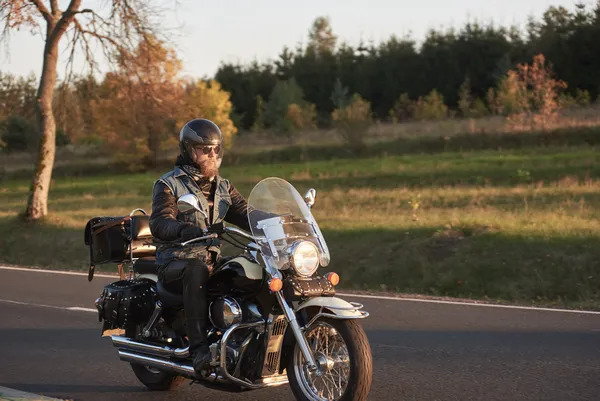
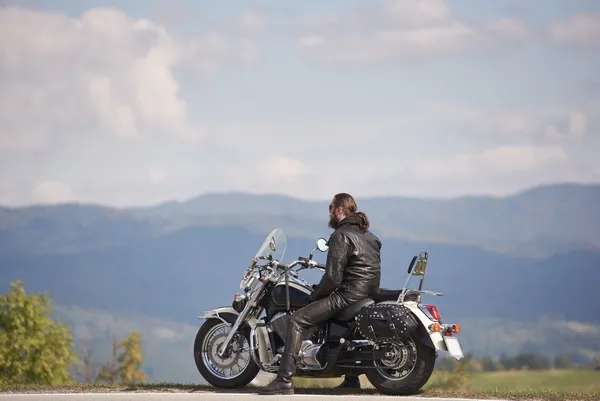
Cruisers are characterized by their classic, laid-back design, often inspired by motorcycles from the mid-20th century. Key design features include:

  • Low Seat Height: Cruisers typically have a low seat height, making them accessible to a wide range of riders, including those with shorter inseams.
  • Forward Foot Pegs: The foot pegs or footboards are positioned forward, allowing the rider to stretch out their legs and assume a relaxed, reclined riding posture.
  • Wide Handlebars: Cruisers often have wide, high handlebars, which contribute to a comfortable, upright riding position.
  • Heavy Build: These bikes are generally heavier than sport bikes, often featuring a large engine with a focus on torque rather than high-speed performance.
  • Classic Styling: Cruisers usually have a retro or vintage aesthetic, with chrome finishes, large fenders, and prominent fuel tanks.

Sport Bikes

Sport bikes are designed for high performance and agility, emphasizing speed, acceleration, and handling. Key design features include:

  • Aggressive Posture: Sport bikes have a forward-leaning riding position, with the foot pegs positioned rearward and the handlebars set low. This posture is designed to enhance aerodynamics and control at high speeds.
  • Lightweight Frame: Sport bikes are built with lightweight materials like aluminum and carbon fiber to maximize speed and maneuverability.
  • High-Performance Engine: These bikes are equipped with powerful engines that produce high horsepower, allowing for rapid acceleration and top-end speed.
  • Aerodynamic Bodywork: Sport bikes feature streamlined fairings and body panels that reduce wind resistance and improve stability at high speeds.
  • Modern Styling: Sport bikes often have a sleek, futuristic appearance, with sharp lines and aggressive design elements.

Performance and Engine Characteristics

Cruisers

Cruisers are built for comfortable, relaxed riding rather than high-speed performance. Their engines are typically:

  • V-Twin Configuration: Many cruisers feature V-twin engines, known for their strong low-end torque and distinctive rumble.
  • Low RPM Torque: Cruisers produce a significant amount of torque at low RPMs, making them ideal for city cruising and relaxed highway riding.
  • Moderate Horsepower: While cruisers can have large-displacement engines, they generally produce less horsepower compared to sport bikes, focusing instead on smooth power delivery.

Sport Bikes

Sport bikes are engineered for speed and performance, with engines designed to:

  • High-Revving Inline Engines: Most sport bikes use high-revving inline-four engines, although other configurations like V-twins and triples are also common.
  • High Horsepower: Sport bikes produce significantly more horsepower than cruisers, allowing for rapid acceleration and high top speeds.
  • High RPM Power: The power band of sport bikes is concentrated at higher RPMs, requiring riders to rev the engine to extract maximum performance.

Ergonomics and Comfort

Cruisers

The ergonomics of cruisers are focused on comfort for long rides. Key features include:

  • Upright Riding Position: The upright seating position reduces strain on the back and shoulders, making long-distance riding more comfortable.
  • Large, Padded Seats: Cruisers often have large, well-padded seats designed for comfort, sometimes with additional backrests for the rider and passenger.
  • Relaxed Control Layout: With wide handlebars and forward foot pegs, riders can sit back and enjoy a relaxed riding experience.

Sport Bikes

Sport bikes prioritize control and performance, which affects their ergonomics:

  • Forward-Leaning Position: The forward-leaning posture places more weight on the rider’s wrists and shoulders, providing better control at high speeds but potentially causing discomfort during long rides.
  • Narrow, Firm Seats: Sport bikes have narrower, firmer seats designed to keep the rider in place during aggressive maneuvers.
  • Compact, Aggressive Layout: The compact design allows for quick shifts in weight and position, essential for high-speed cornering and maneuverability.

Intended Use and Riding Experience

Cruisers

Cruisers are ideal for:

  • Relaxed Cruising: Designed for leisurely rides, cruisers excel at comfortable, low-speed cruising on city streets and highways.
  • Touring: Many cruisers are equipped with features like large fuel tanks, saddlebags, and windshields, making them suitable for long-distance touring.
  • Community and Culture: Cruisers are often associated with a strong sense of community and a laid-back, lifestyle-oriented riding culture.

Sport Bikes

Sport bikes are built for:

  • High-Speed Performance: Sport bikes are designed for thrill-seekers who enjoy the exhilaration of speed and aggressive riding.
  • Track Days: Many sport bike enthusiasts participate in track days, where they can explore the limits of their bike’s performance in a controlled environment.
  • Precision Riding: The agility and responsiveness of sport bikes make them ideal for riders who value precision and quick handling.

Maintenance and Customization

Cruisers

  • Customization: Cruisers are highly customizable, with a wide range of aftermarket parts available for everything from exhaust systems to seats and handlebars. Riders often personalize their cruisers to reflect their style and preferences.
  • Maintenance: The maintenance of cruisers is generally straightforward, with a focus on keeping the engine running smoothly and maintaining the bike’s classic appearance.

Sport Bikes

  • Customization: While sport bikes are also customizable, the focus is often on performance upgrades, such as improving suspension, brakes, and engine tuning.
  • Maintenance: Sport bikes require regular maintenance to keep them performing at their peak. This includes frequent oil changes, brake checks, and tire maintenance, especially if the bike is used for high-speed riding or track days.

Cruisers and sport bikes cater to different riding styles and preferences. Cruisers offer a relaxed, comfortable ride with a focus on style and community, making them perfect for long, leisurely rides and customization. Sport bikes, on the other hand, are designed for speed, agility, and high-performance riding, ideal for those who seek the thrill of aggressive riding and precision handling. Understanding the differences between these two types of motorcycles can help riders choose the bike that best suits their needs and riding style, whether they’re looking for a laid-back cruiser or a high-octane sport bike experience.