
Preparing Your Motorcycle for Winter


As the temperature drops and winter weather approaches, motorcycle riders face the annual challenge of storing and protecting their bikes until warmer days return. Proper winterization not only protects your motorcycle from cold weather damage but also ensures it’s ready to ride come springtime. In this guide, we’ll walk you through the essential steps for winterizing your motorcycle to keep it in peak condition until you’re ready to hit the road again.


1. Clean Your Bike Thoroughly

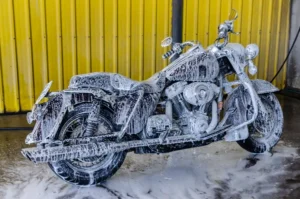
Cleaning your motorcycle before winter storage is crucial. Dirt, road salt, and grime can corrode metal parts if left on the bike for months. A thorough wash removes harmful residues and keeps your bike looking new.

  • Steps: Use a mild detergent and a soft sponge, rinse well, and dry with a microfiber cloth. Pay extra attention to hard-to-reach areas, especially around the chain, wheels, and engine.
  • Protective Coating: Consider applying a coat of wax to your bike’s painted surfaces and a rust-preventive spray to metal parts. These add a protective barrier against moisture and corrosion.


2. Change the Oil and Filter

Old oil contains contaminants that can cause corrosion if left sitting in the engine over winter. Fresh oil, on the other hand, keeps internal components lubricated and protected. Even if your last oil change wasn’t too long ago, it’s a good idea to change it before winter storage.

  • Steps: Drain the old oil, replace the oil filter, and refill with fresh oil. Check your owner’s manual for the correct oil type and quantity.


3. Stabilize the Fuel

Gasoline can degrade over time, forming varnish and gum deposits that can clog fuel lines, injectors, and carburetors. Adding a fuel stabilizer helps prevent this, keeping your fuel fresh and protecting your fuel system from corrosion.

  • Steps: Add a fuel stabilizer to the tank, following the instructions on the product label. After adding, run the engine for a few minutes to ensure the stabilizer circulates throughout the system.

4. Top Off the Tank

A full tank of fuel helps prevent condensation from forming inside the gas tank, which can lead to rust. After adding fuel stabilizer, fill the tank to prevent moisture buildup.

  • Tip: Avoid ethanol-based fuel if possible, as it can attract moisture. If ethanol-free fuel is unavailable, the fuel stabilizer should help mitigate any issues.

5. Battery Maintenance

Cold weather can drain your motorcycle battery, so proper battery maintenance is essential to avoid a dead battery come spring. A battery tender or trickle charger is ideal for keeping your battery charged during long periods of inactivity.

  • Steps: Remove the battery from your bike if possible, and store it in a cool, dry place. Connect it to a battery tender or trickle charger to maintain the charge over winter.
 

6. Lubricate Moving Parts

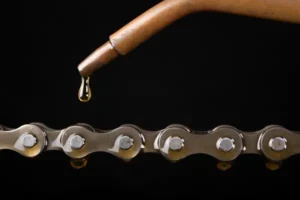
Winter is the perfect time to give your bike’s moving parts some extra care. Proper lubrication prevents corrosion and ensures smooth operation when riding season returns.

  • Parts to Lubricate:
    • Chain: Clean the chain thoroughly, then apply chain lubricant.
    • Cables: Lubricate the throttle, clutch, and brake cables to prevent them from becoming stiff.
    • Kickstand and Pivots: Apply a light oil to the kickstand pivot and other moving parts, such as foot peg hinges and lever pivots.

7. Protect the Tires

Tires can develop flat spots if they remain in one position for extended periods. To avoid this, you can take a few preventative measures:

  • Elevate the Bike: Use a motorcycle stand to lift the tires off the ground, relieving pressure on them.
  • Inflate Tires to Recommended Pressure: Properly inflated tires reduce the risk of flat spots and help maintain their shape.

If you don’t have a stand, try to roll the bike slightly every few weeks to shift the weight distribution on the tires.


8. Cover the Exhaust

Moisture can enter the exhaust system and cause rust. Covering the exhaust openings is a simple step that can prevent this issue.

  • Steps: Plug the exhaust openings with plastic bags or exhaust plugs to keep out moisture, dust, and any critters that might seek shelter in your pipes.


9. Store in a Climate-Controlled Environment

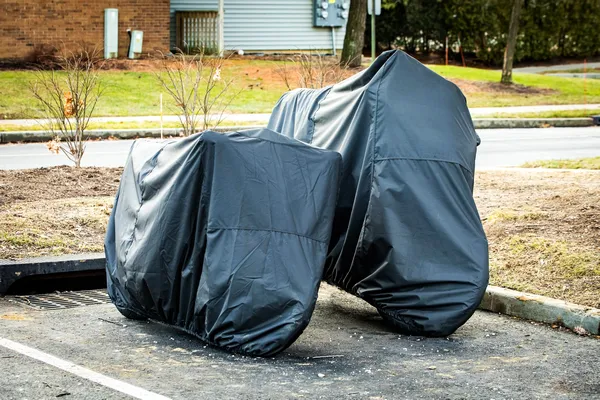
The ideal winter storage location for a motorcycle is indoors, in a climate-controlled environment. If that’s not possible, an enclosed garage or a sheltered space with a quality motorcycle cover can offer protection.

  • If storing outside: Use a durable, waterproof cover that’s designed to resist wind, rain, and snow. Make sure the cover is breathable to avoid moisture buildup beneath it.


10. Use a High-Quality Motorcycle Cover

A good motorcycle cover is crucial for protecting your bike from dust, moisture, and potential scratches. Even if you store your motorcycle indoors, covering it adds an extra layer of protection.

  • Tips: Choose a breathable cover that fits your motorcycle snugly. A cover that’s too tight or too loose can cause issues, like scratching the paint or allowing dust to collect.


11. Additional Winter Prep Tips

If you want to go the extra mile with winter preparation, consider these bonus tips:

  • Drain the Carburetor (if your bike has one): Running the bike until it burns out the last of the fuel can prevent carburetor gumming and clogging.
  • Check and Lubricate Fork Seals: Cold weather can cause seals to dry out. A light coating of lubricant keeps them supple and helps prevent cracks.
  • Check Coolant Levels (if liquid-cooled): Ensure your coolant mixture is fresh and suitable for winter temperatures. A balanced antifreeze mixture can help protect your engine from freezing temperatures.


Getting Ready for Spring

Once the weather warms up and it’s time to ride again, bring your bike out of storage with these key steps:

  1. Unplug the Exhaust: Remove any exhaust plugs or coverings.
  2. Reconnect the Battery: If you removed the battery, reinstall it carefully.
  3. Check Fluid Levels: Check the oil, coolant, brake fluid, and fuel before your first ride.
  4. Inspect the Tires: Verify that they’re properly inflated and check for flat spots or cracks.
  5. Test Brakes and Controls: Ensure everything is working smoothly and safely.


Taking the time to winterize your motorcycle ensures it stays in top condition through the cold months and is ready for smooth rides when spring arrives. By following these steps, you’ll protect your investment, avoid costly repairs, and extend the life of your motorcycle. Winter may be a time for rest, but your bike will be more than ready to roar back to life when the first warm day of the new season arrives.

Happy winterizing!
 

Navigating Road Hazards


Riding a motorcycle is one of the most exhilarating ways to experience the road, but it comes with unique challenges. One of the biggest obstacles riders face is road hazards, which can be more dangerous for motorcyclists than for drivers in cars. Uneven pavement, debris, potholes, and wet surfaces can compromise control and lead to accidents. Understanding these hazards and how to navigate them safely can make all the difference. Here’s a comprehensive guide on common road hazards and tips for managing them effectively to keep your ride smooth and safe.


1. Potholes: The Unexpected Pitfalls

Potholes are one of the most common hazards for motorcyclists, especially after winter or heavy rainfall. Hitting a pothole at high speed can cause serious damage to your wheels, suspension, and even your balance.

Tips for Navigating Potholes:

  • Scan the Road Ahead: Keep your eyes up and look ahead to spot potholes early. This will give you more time to react.
  • Adjust Your Speed: If a pothole is unavoidable, slow down as much as possible before reaching it.
  • Stand on the Foot Pegs: Lightly standing on the pegs as you pass over the pothole will help absorb the shock, reducing the impact on your body and bike.
  • Avoid Sudden Braking: Sudden braking while hitting a pothole can make your bike more difficult to control. Instead, roll off the throttle to decrease speed smoothly.

2. Loose Gravel and Sand: The Slip Factor

Loose gravel and sand often appear in corners, on rural roads, and after road construction. This loose surface can cause tires to lose traction, leading to a skid or even a fall.

Tips for Navigating Loose Gravel and Sand:

  • Steady Throttle and Minimal Braking: Apply a steady throttle and avoid sudden braking to maintain traction. Sudden changes can cause your wheels to slide out.
  • Stay Upright: Avoid leaning too much when turning on loose gravel. A more upright position gives you more control and balance.
  • Slow Down Before Turning: If you see gravel in an upcoming turn, slow down before you reach it rather than while in the turn.

3. Wet Roads: Reduced Traction

Wet roads, particularly after the first rainfall in a while, can make surfaces extremely slippery due to oil and other residues. Reduced traction on wet roads can affect your ability to stop or turn, making it essential to adjust your riding style.

Tips for Navigating Wet Roads:

  • Increase Following Distance: Give yourself more space behind vehicles to allow for longer stopping distances.
  • Brake Gently: Apply both brakes smoothly and progressively, especially the rear brake, to avoid locking up the wheels.
  • Avoid Painted Lines and Metal Surfaces: Painted road markings, manhole covers, and metal grates become especially slippery when wet. Try to avoid riding over them or approach them with caution.

4. Debris and Obstacles: Objects on the Road

Debris such as fallen branches, rocks, and even tire pieces can pose a serious threat to motorcyclists. Running over debris can upset your balance, damage your bike, or lead to a crash.

Tips for Navigating Debris and Obstacles:

  • Scan and Plan: Stay alert and look far ahead to identify potential obstacles. If you see debris, make a plan to avoid it.
  • Adjust Your Line: If you spot debris with enough time to react, adjust your path to safely maneuver around it.
  • Lift Over Small Obstacles: If avoiding an object isn’t possible and it’s small enough, lift yourself slightly off the seat to reduce the impact.


5. Railroad Tracks: Tricky Angles

Railroad tracks can be challenging, especially when crossed at an angle or in wet conditions. Crossing tracks at an improper angle or too quickly can cause tires to slip.

Tips for Navigating Railroad Tracks:

  • Cross at a 90-Degree Angle: Approach tracks as close to perpendicular as possible to minimize the chance of your tires slipping.
  • Slow Down: Reduce speed before reaching the tracks and avoid hard braking as you cross.
  • Stay Loose on the Handlebars: A tight grip can lead to overreaction if your bike wobbles. Staying loose will help you absorb any movement smoothly.

6. Animals on the Road: Reacting Quickly

Animals, from small squirrels to larger deer, can dart into the road without warning. Avoiding an animal may be instinctual, but sudden movements can lead to dangerous swerves and loss of control.

Tips for Navigating Animals on the Road:

  • Stay Calm: If you see an animal, avoid panicking. Gently reduce your speed and prepare to react safely.
  • Avoid Sudden Swerves: Swerving to avoid an animal, especially at high speeds, can be more dangerous than slowing down.
  • Be Extra Vigilant at Dawn and Dusk: Many animals are more active at these times, so be especially alert on rural roads during these hours.

7. High Wind: The Push and Pull

Riding in high winds can make your bike feel unstable and difficult to control. Strong side winds can even push you out of your lane if you’re not prepared.

Tips for Navigating High Wind:

  • Lean Into the Wind: Gently lean into the direction of the wind to maintain balance and control.
  • Stay in the Center of Your Lane: This gives you more room to maneuver if a sudden gust of wind shifts your position.
  • Lower Your Profile: Tuck down slightly to reduce the surface area the wind can push against.

8. Bridge Grates and Expansion Joints: Traction Challenges

Bridges often have metal grates and joints that can create an uneven, slippery surface, especially in wet conditions.

Tips for Navigating Bridge Grates and Expansion Joints:

  • Maintain a Steady Throttle: Keeping a consistent speed will help you cross these surfaces smoothly without sudden shifts.
  • Avoid Sharp Turns or Lane Changes: Stick to a straight line to keep your tires as stable as possible on these surfaces.
  • Stay Loose: Bridge grates can make your bike feel wobbly, so stay relaxed to keep control over any slight movements.

9. Oil Slicks: Slippery and Dangerous

Oil spills, often found at intersections or near toll booths, can be difficult to see and become especially slick when mixed with rain.

Tips for Navigating Oil Slicks:

  • Identify the Rainbow Sheen: An oily surface will often have a slight rainbow appearance, especially in sunlight.
  • Avoid Sudden Acceleration: If you find yourself on an oily patch, maintain steady speed and avoid quick acceleration.
  • Braking Caution: Use minimal braking if you need to slow down while on an oil patch.

10. Sun Glare: Limited Visibility

Sun glare, especially at sunrise or sunset, can make it hard to see road hazards, traffic signals, or other vehicles.

Tips for Navigating Sun Glare:

  • Use Sunglasses or Tinted Visor: Eye protection can help reduce the intensity of the sun’s glare.
  • Adjust Your Position: Move within your lane to minimize glare, such as by positioning your bike behind the shade of another vehicle.
  • Be Extra Vigilant: Other drivers are affected by glare too, so stay cautious and give yourself additional space to react.


Navigating road hazards is an essential skill for motorcyclists. Being prepared and understanding how to handle specific challenges can help prevent accidents and keep you safe on the road. Remember to stay alert, adjust your speed, and be proactive in scanning your surroundings for potential risks. With these tips, you’ll be better equipped to face a variety of road hazards, keeping your ride smooth and safe.

Stay vigilant, ride smart, and enjoy the journey!