The Importance of Proper Riding Gear


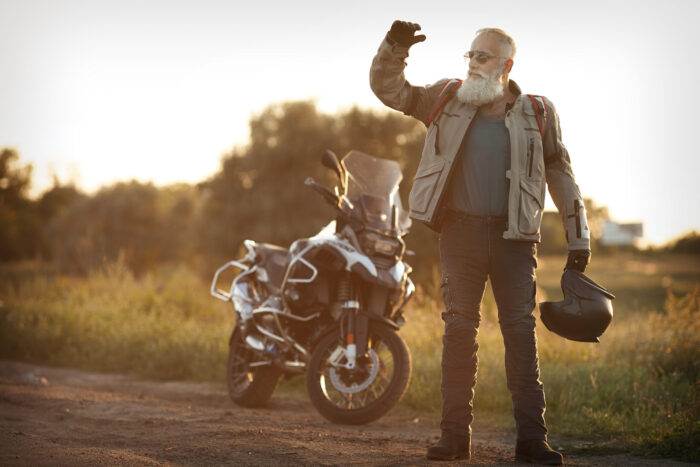
Riding a motorcycle can be an exhilarating experience, but it’s essential to prioritize safety at all times. One of the most critical aspects of motorcycle safety is wearing the proper riding gear. In this guide, we’ll explore the importance of proper riding gear and provide tips on choosing the right gear for your needs.

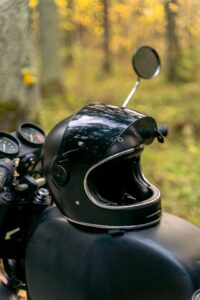
Helmet: A helmet is the most critical piece of riding gear you can wear. It protects your head in the event of a crash, reducing the risk of serious injury or death. When choosing a helmet, look for one that meets safety standards such as DOT (Department of Transportation) or ECE (Economic Commission for Europe). Make sure the helmet fits snugly and comfortably, and replace it if it’s been involved in a crash or is more than five years old.

Jacket: A motorcycle jacket provides protection for your upper body in the event of a crash. Look for a jacket made of abrasion-resistant materials such as leather or textile, with armor in the shoulders, elbows, and back. The jacket should fit snugly but allow for freedom of movement. Consider a jacket with reflective materials for increased visibility, especially when riding at night.
 

Pants: Motorcycle pants provide protection for your lower body in the event of a crash. Look for pants made of abrasion-resistant materials such as leather or textile, with armor in the knees and hips. Consider pants with reinforced stitching and double or triple stitching in high-impact areas. Pants should fit snugly but allow for freedom of movement.

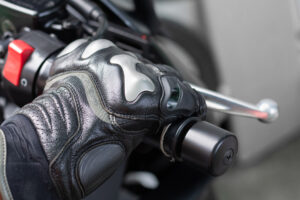
Gloves: Motorcycle gloves protect your hands in the event of a crash and provide grip and control while riding. Look for gloves made of abrasion-resistant materials such as leather or textile, with armor in the knuckles and palms. Gloves should fit snugly but allow for freedom of movement and should not interfere with your ability to operate the controls.

Boots: Motorcycle boots provide protection for your feet and ankles in the event of a crash. Look for boots made of abrasion-resistant materials such as leather or textile, with armor in the ankles and shins. Boots should have a non-slip sole and should provide good ankle support. They should also be comfortable for walking in, as you may need to walk around while wearing them.

Additional Gear: In addition to the essential gear mentioned above, there are a few other items that can enhance your safety and comfort while riding. These include:

  • Earplugs: Protect your ears from wind noise and reduce fatigue on long rides.
  • Eye Protection: Wear a face shield or goggles to protect your eyes from wind, debris, and insects.
  • High-Visibility Gear: Wear brightly colored or reflective gear to increase your visibility to other motorists.
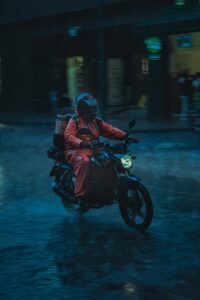
  • Rain Gear: Carry a waterproof jacket and pants in case of rain.

Wearing the proper riding gear is essential for motorcycle safety. By investing in high-quality gear that fits properly and provides adequate protection, you can reduce the risk of injury in the event of a crash. Remember to always prioritize safety when riding a motorcycle, and wear your gear every time you ride.
The Bond of Motorcycle Riders


Building Connections on Two Wheels

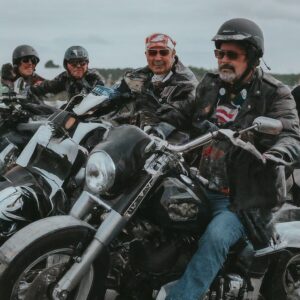
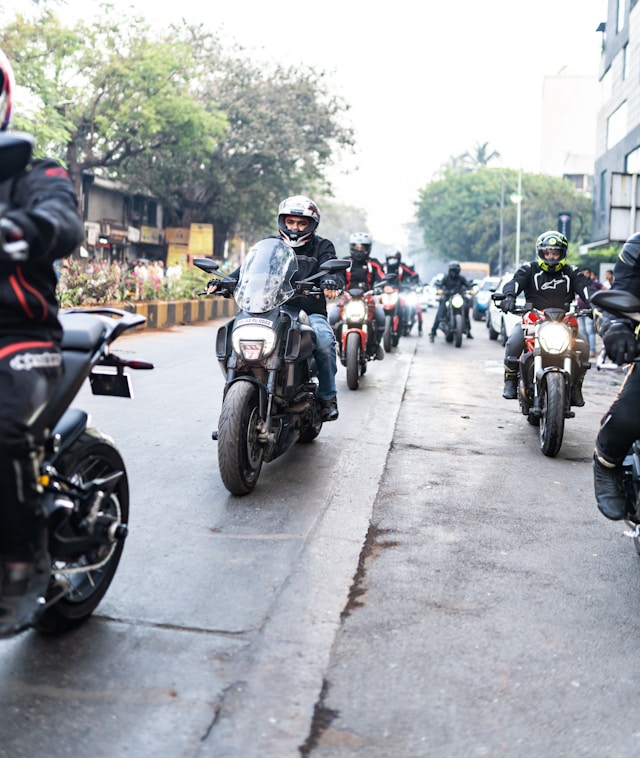
Motorcycle riding isn’t just a mode of transportation; it’s a lifestyle, a passion, and a calling that unites riders around the world. Beyond the shared love for two wheels, there exists a unique camaraderie among motorcycle enthusiasts. This brotherhood of the road goes beyond the mechanical aspects of riding; it’s a connection forged through shared experiences, a mutual understanding of the freedom that comes with the wind in your face, and the unwavering bond that makes every rider a part of a larger community.

Shared Passion: At the heart of motorcycle rider camaraderie is a shared passion for motorcycles and the freedom they represent. Riders are drawn together by their love of the open road, the thrill of twisting the throttle, and the sense of adventure that comes with exploring new destinations. This shared passion forms the foundation of strong friendships and connections among riders.

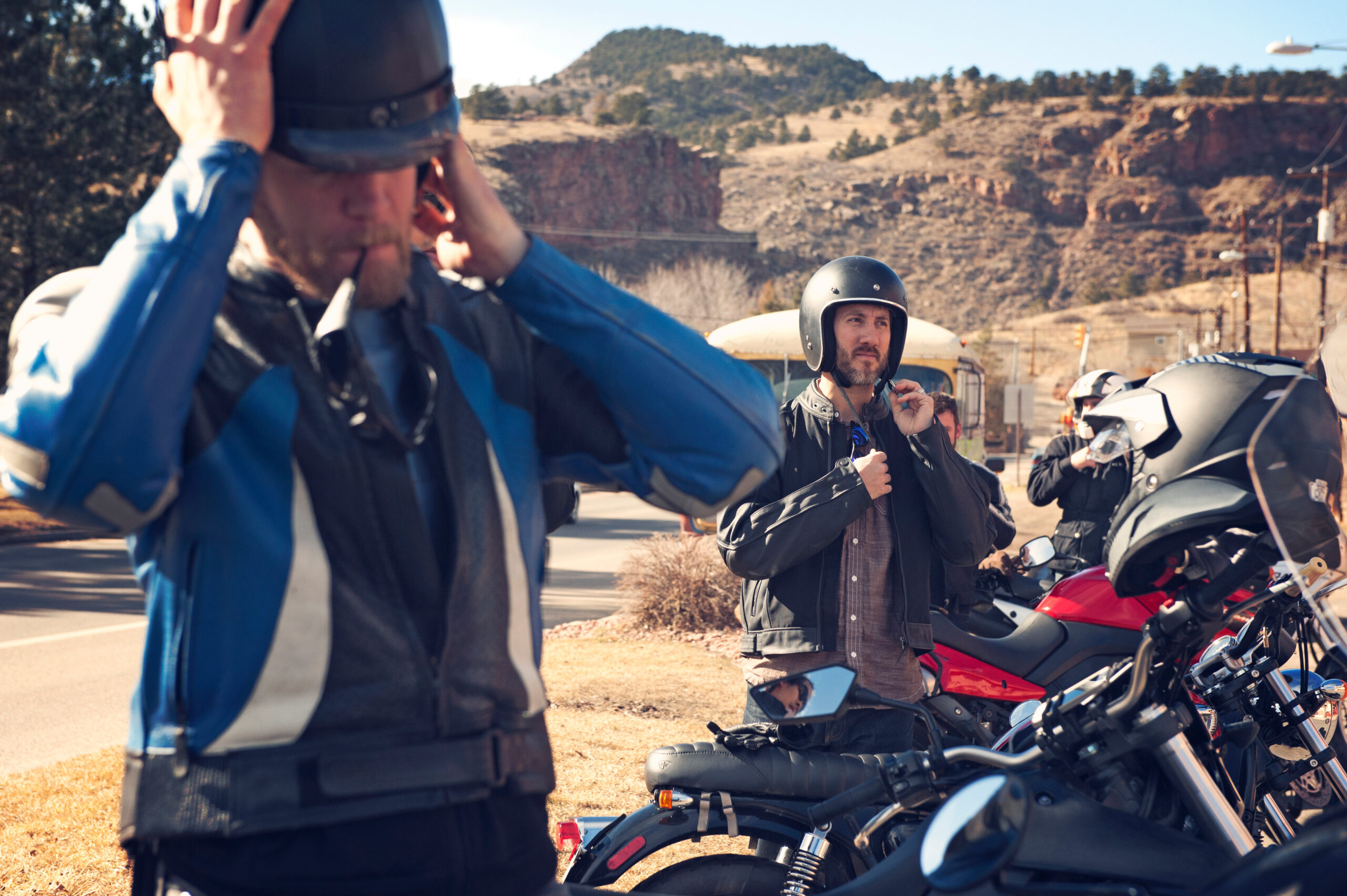
Brotherhood and Sisterhood: Motorcycle rider camaraderie transcends age, gender, and background, creating a diverse community of riders who share a common bond. Whether on group rides, at motorcycle rallies, or through online forums and social media groups, riders come together to share stories, swap tips, and support one another in their shared passion for motorcycles. This sense of brotherhood and sisterhood creates a welcoming and inclusive community where riders feel accepted and understood.

The Language of the Roads: Motorcycle riders have their own language – a subtle nod, a wave, or a rev of the engine can convey a multitude of messages. This non-verbal communication serves as a universal code among riders, creating a sense of unity on the road. The acknowledgment of a fellow rider is a gesture that says, “We share this journey together.”

Support and Encouragement: Riding a motorcycle can be both exhilarating and challenging, and having a supportive community of fellow riders can make all the difference. Whether helping a novice rider master the basics of cornering or providing encouragement to a rider tackling a challenging off-road trail, motorcycle rider camaraderie is built on a foundation of support and encouragement. Riders look out for one another on the road, offering assistance, advice, and camaraderie whenever needed.

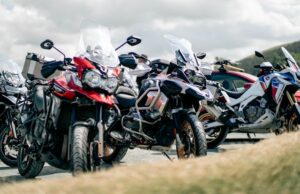
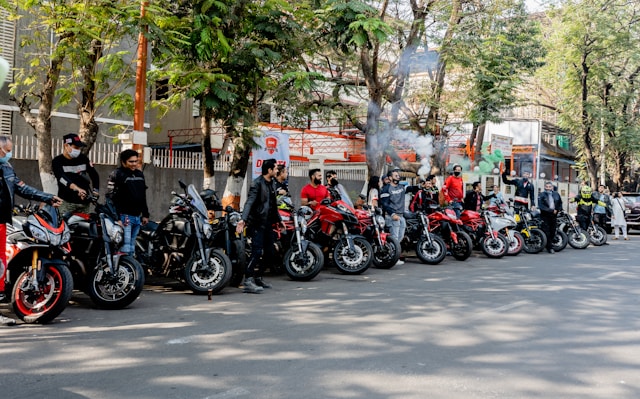
Group Rides and Events: Group rides and motorcycle events are more than just opportunities to showcase bikes; they are gatherings that celebrate the spirit of riding. Whether it’s a charity ride, a poker run, or a bike rally, these events bring riders together, fostering a sense of camaraderie that is unparalleled. The shared experiences during these gatherings create lasting memories and strengthen the bonds within the community.

Shared Experiences: Motorcycle rider camaraderie is forged through shared experiences on the road. From epic cross-country adventures to spontaneous weekend rides, riders bond over the memories they create together. These shared experiences create lasting connections and lifelong friendships, as riders come together to celebrate the thrill of the ride and the beauty of the journey.

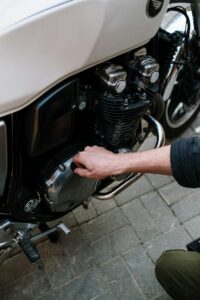
Safety and Responsibility: Motorcycle rider camaraderie also extends to a shared commitment to safety and responsibility on the road. Riders look out for one another, reminding each other to wear proper gear, ride within their limits, and obey traffic laws. This culture of safety and responsibility helps keep riders safe and ensures that everyone can enjoy the freedom of the open road for years to come. There’s an unspoken understanding among riders – a recognition of the risks and joys that come with navigating the roads on two wheels. This unspoken brotherhood is evident when riders help each other with a simple roadside fix, share a moment of camaraderie at a stoplight, or offer a friendly nod as they pass each other on the highway.

The bond of motorcycle rider camaraderie is a powerful force that enriches the riding experience and creates lasting connections among riders. Whether sharing stories, offering support, or exploring new destinations together, riders come together as a community united by their love of motorcycles and the open road. In a world where connections are increasingly digital and fleeting, motorcycle rider camaraderie reminds us of the power of shared experiences and the importance of forging real connections with others. Ride on, and may the wind always be at your back!


Hazardous Weather: Tips For Safe Riding


Motorcycle riders face unique challenges when it comes to navigating hazardous weather conditions. Sudden changes in weather, such as rain, snow, or strong winds, can significantly impact a rider’s safety and comfort on the road. In this guide, we’ll explore tips and strategies for safely riding a motorcycle in sudden hazardous weather.

Monitor Weather Conditions: Before heading out on your motorcycle, always check the weather forecast for your area. Pay attention to any warnings or advisories for hazardous weather conditions, such as thunderstorms, heavy rain, or high winds. If possible, plan your route to avoid areas with severe weather.

Dress Appropriately: Wearing the right gear is crucial for staying safe and comfortable in hazardous weather conditions. Invest in a high-quality motorcycle jacket and pants that are waterproof and windproof. Wear gloves that provide a good grip and protect your hands from the cold and rain. Consider wearing a full-face helmet with a visor or goggles to protect your eyes from wind, rain, and debris.

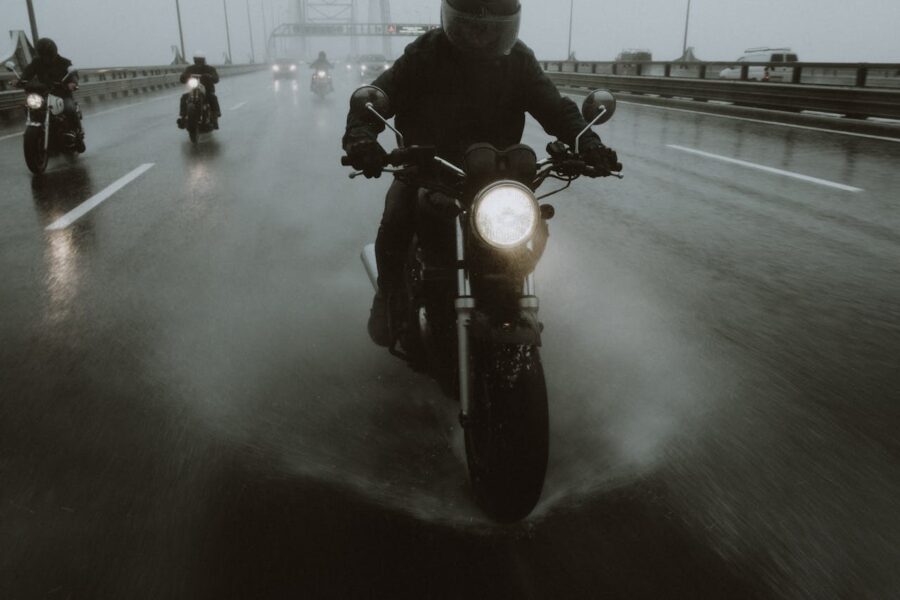
Slow Down and Increase Following Distance: In hazardous weather conditions, it’s essential to reduce your speed and increase your following distance from other vehicles. Wet or icy roads can reduce traction and increase stopping distances, so give yourself plenty of time to react to changing conditions. Avoid sudden movements or sharp turns, and use caution when braking or accelerating.

Be Visible: Visibility is crucial in hazardous weather conditions, especially when visibility is reduced due to rain, fog, or snow. Make sure your motorcycle’s headlights, taillights, and turn signals are working correctly. Consider adding reflective tape or stickers to your motorcycle to make it more visible to other motorists.

Be Prepared for Wind Gusts: Strong winds can be particularly challenging for motorcycle riders, especially on highways or open roads. Be prepared for sudden gusts of wind by keeping a firm grip on the handlebars and maintaining a stable riding position. Lean into the wind to maintain control of your motorcycle, and avoid riding in the blind spots of large vehicles that can create wind turbulence.

Avoid Puddles and Standing Water: Puddles and standing water can be hazardous for motorcycle riders, as they can hide potholes, debris, or even submerged objects. Avoid riding through puddles or standing water if possible, and use caution when crossing wet or slippery surfaces. Slow down before entering a puddle and try to maintain a straight line to minimize the risk of hydroplaning.

Stay Alert and Focused: In hazardous weather conditions, it’s essential to stay alert and focused on the road. Keep an eye out for potential hazards such as debris, fallen branches, or other obstacles. Scan the road ahead for changes in road conditions, and be prepared to adjust your speed or route if necessary.

Riding a motorcycle in sudden hazardous weather conditions requires caution, preparation, and skill. By following these tips and strategies, you can stay safe and comfortable on the road, even when the weather takes a turn for the worse. Remember to always prioritize safety and use your best judgment when riding in hazardous weather.


Tuning Your Motorcycle for Peak Performance


Tuning Your Motorcycle for Peak Performance

Tuning a motorcycle for peak performance involves a series of adjustments and modifications to optimize its power, handling, and overall performance. Whether you’re a seasoned rider or a beginner, understanding the basics of motorcycle tuning can help you get the most out of your machine. In this guide, we’ll explore some of the key aspects of motorcycle tuning and provide practical tips to help you achieve peak performance on the road or track.

Understand Your Motorcycle’s Components

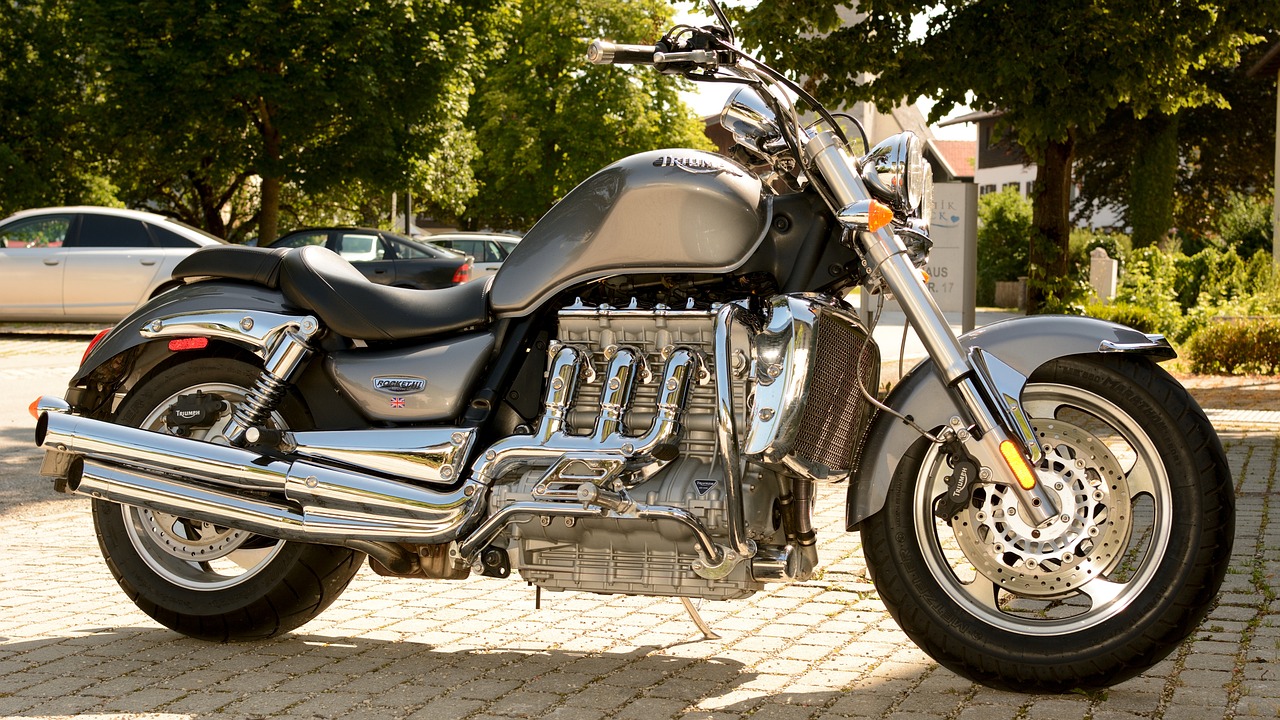
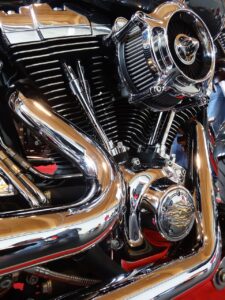
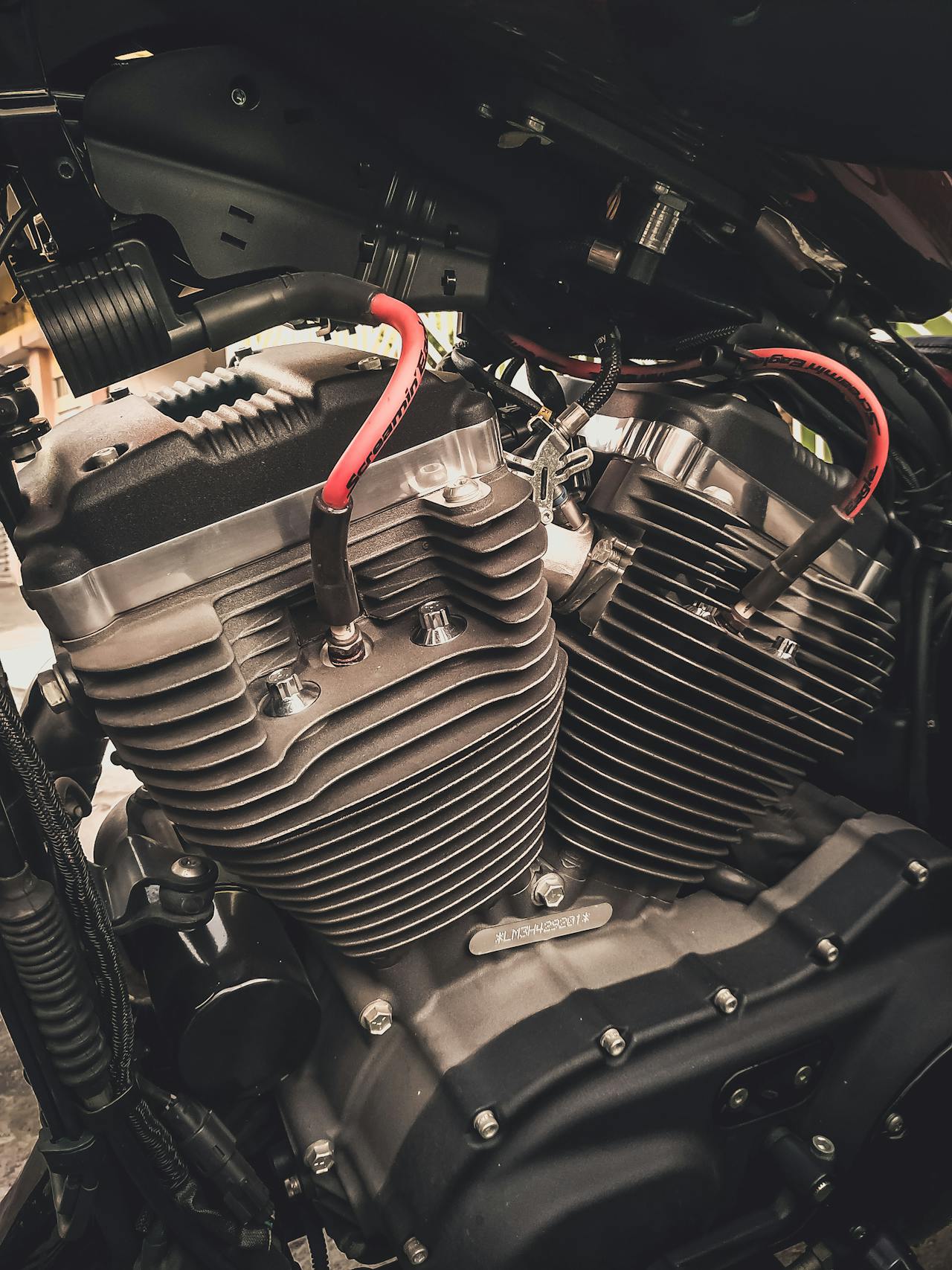
Before you start tuning your motorcycle, it’s essential to have a good understanding of its key components. This includes the engine, suspension, brakes, and tires. Each of these components plays a crucial role in the overall performance of your motorcycle. For example, the engine’s power output is affected by factors such as fuel delivery, ignition timing, and exhaust system design. Similarly, the suspension affects the bike’s handling and stability, while the brakes and tires determine stopping power and traction.

Set Your Goals
Once you understand your motorcycle’s components, you can start setting goals for your tuning project. Do you want to improve acceleration, top speed, or both? Are you looking to enhance cornering performance or reduce lap times on the track? By setting specific goals, you can focus your efforts on the areas that matter most to you.

Start with the Basics
Before making any major modifications, it’s a good idea to start with the basics. This includes performing routine maintenance tasks such as changing the oil, replacing the air filter, and checking the tire pressure. These simple tasks can have a significant impact on your motorcycle’s performance and should not be overlooked.

Optimize Fuel Delivery
One of the most effective ways to improve your motorcycle’s performance is by optimizing fuel delivery. This can be achieved by adjusting the fuel mixture, upgrading the fuel injectors, or installing a performance fuel pump. By ensuring that your engine is getting the right amount of fuel, you can improve power output and throttle response.

Upgrade the Exhaust System
Another key area for improving performance is the exhaust system. Upgrading to a high-flow exhaust can reduce back pressure and increase power output. Additionally, a well-designed exhaust system can enhance the sound of your motorcycle and give it a more aggressive tone.

Enhance Suspension and Handling
To improve your motorcycle’s handling and stability, consider upgrading the suspension components. This can include installing stiffer springs, upgrading the shock absorbers, or adding a steering damper. These modifications can help reduce body roll, improve cornering performance, and enhance overall stability.

Upgrade the Brakes and Tires
Don’t forget to upgrade the brakes and tires. High-performance brake pads and rotors can improve stopping power, while sticky tires can provide better traction and grip. By upgrading these components, you can enhance your motorcycle’s overall performance and safety.

Tuning your motorcycle for peak performance is a rewarding process that can help you get the most out of your machine. By understanding your motorcycle’s components, setting specific goals, and making targeted modifications, you can achieve the performance you desire. Whether you’re a street rider or a track enthusiast, these tips can help you take your motorcycle to the next level.